Most people find out about their allergies when they are little, maybe when they start sneezing during the spring with flowers in bloom or when they eat a peanut butter sandwich and feel something is wrong. According to John Hopkins Medicine, children usually discover their food allergies within their first year of life. Senior Rory Lile, on the other hand, discovered that she was allergic to peanuts at the age of 15 after eating a small container of apples and peanut butter.
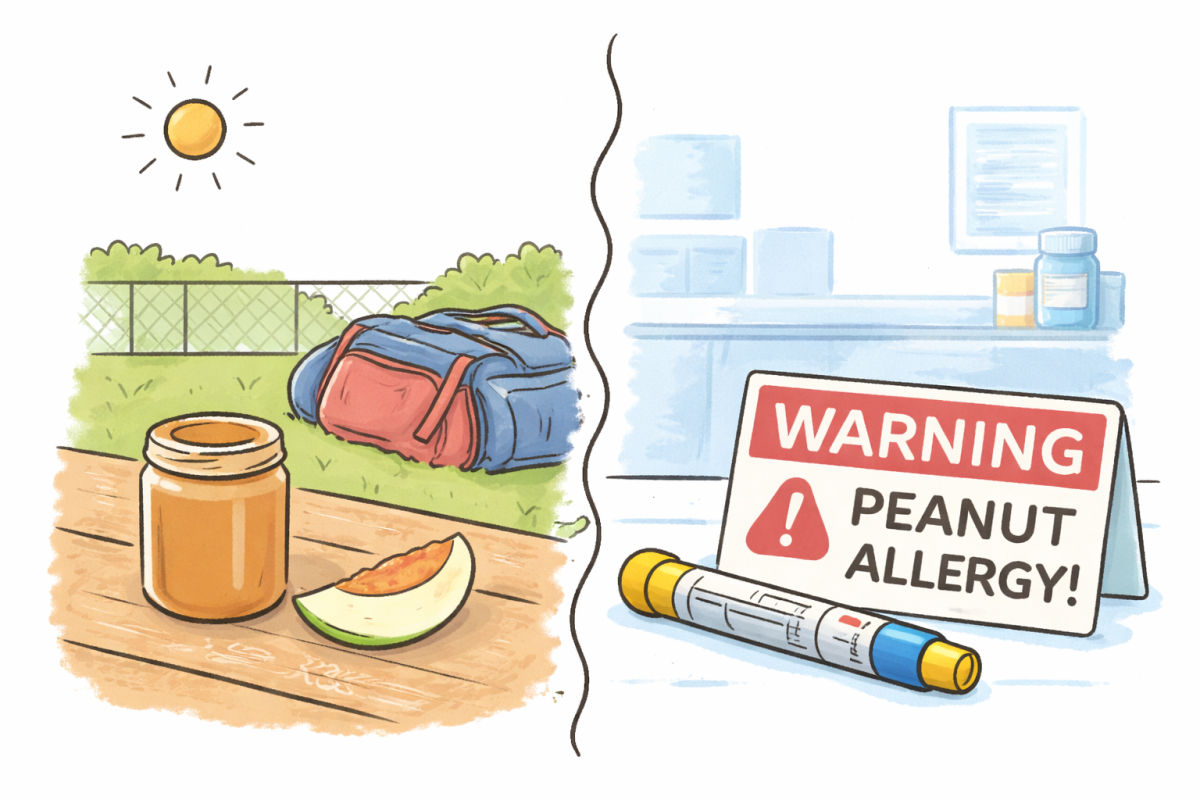
It was Lile’s freshman summer, heading into her sophomore year, and she was at the high school for volleyball practice. Like most athletes, she needed fuel before her upcoming practice. The boosters had set out snacks on a long table, and, without thinking twice, she grabbed what looked like a simple and harmless snack: apples and peanut butter. She expected it to give her energy for drills and scrimmaging. Instead, it changed everything.
As she made her way into the gym, they started with practice. When she got on the sideline to run, she immediately felt that something was off. At first, it was a small difference in the way she was breathing, and then within a short period of time, her pain intensified.
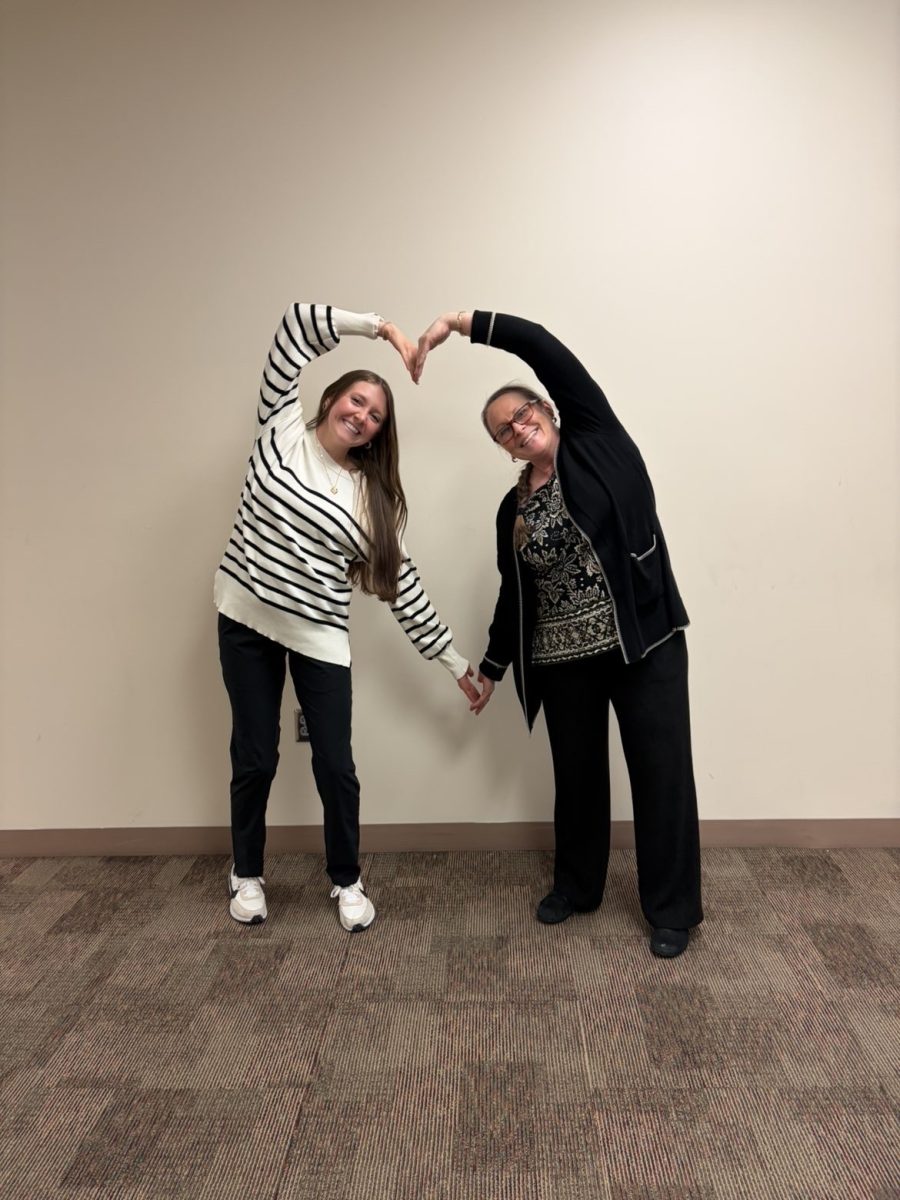
“I got on the line at volleyball, feeling like I couldn’t breathe,” Lile said. “I immediately started panicking and went to Mrs. Rangel for help. She jumped into action and saved my life.”
For Sarah Rangel, the moment still lingers, and she realized in that moment that she had to be more than a coach. Rangel had a player in the past who required a constant carry of an EpiPen and allergy medication, so for her, it was routine. She jumped into action, being calm about the situation, even knowing the weight of what was happening. What was playing in the back of her mind was the thought that Rory needed help and fast.
“I knew that we had to do something fast to get her help, and with my past experience, I knew exactly what to do when she was struggling,” Rangel said.
What started as a normal summer practice quickly turned into a life-threatening emergency. When taken to the doctor’s, she was quickly diagnosed with a peanut allergy, and she realized what that meant. The diagnosis didn’t just come with a label; it came with a responsibility. From now on, living her life day to day was going to be made harder. She had to be cautious of everything that she is around and everything that she eats.