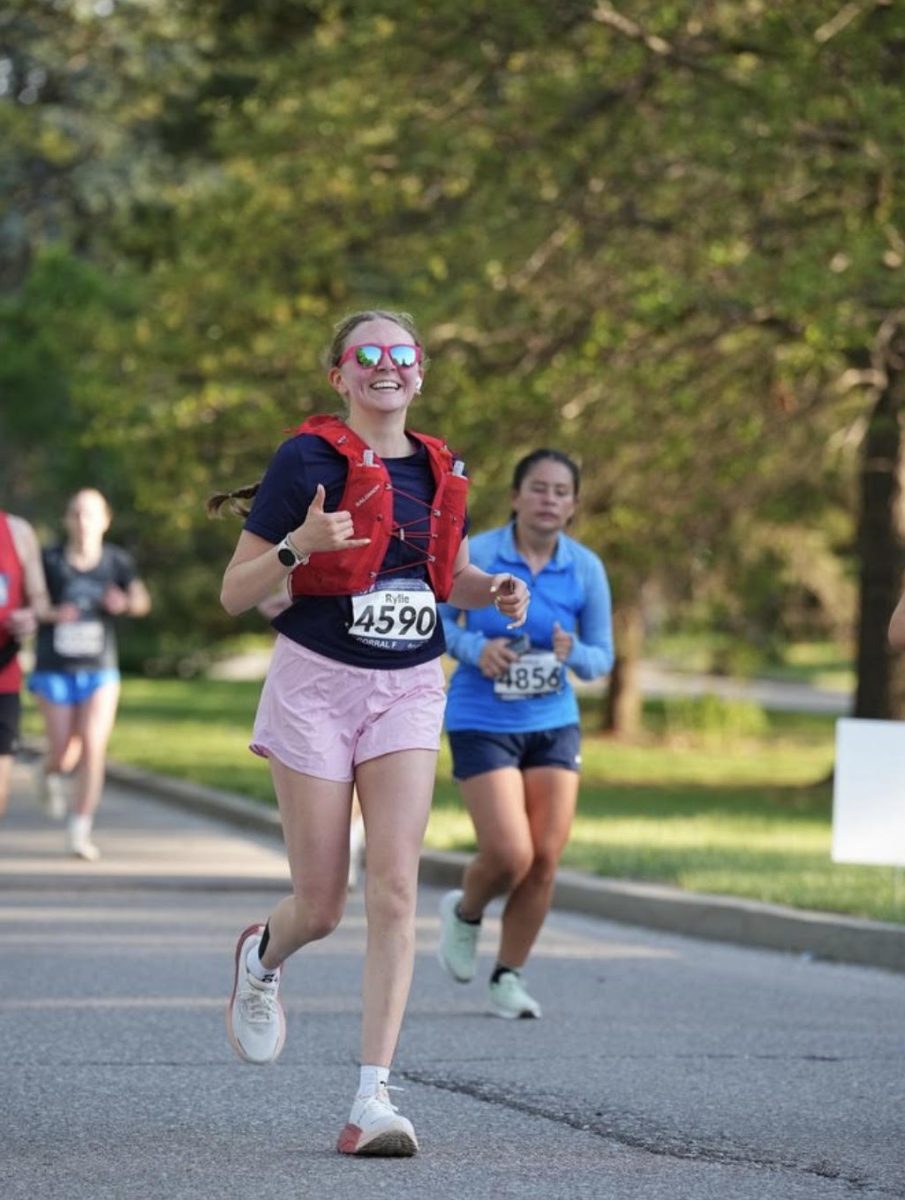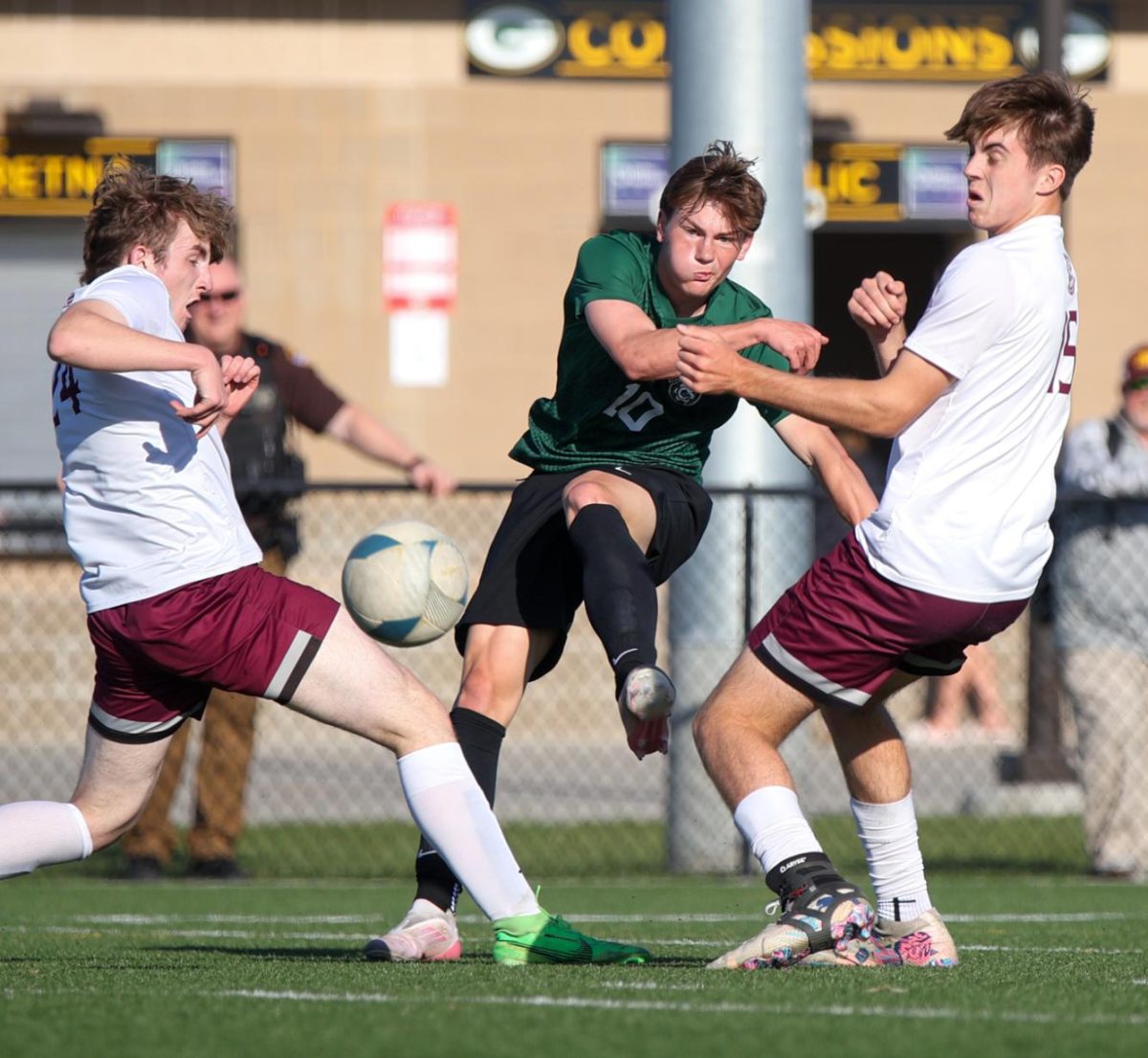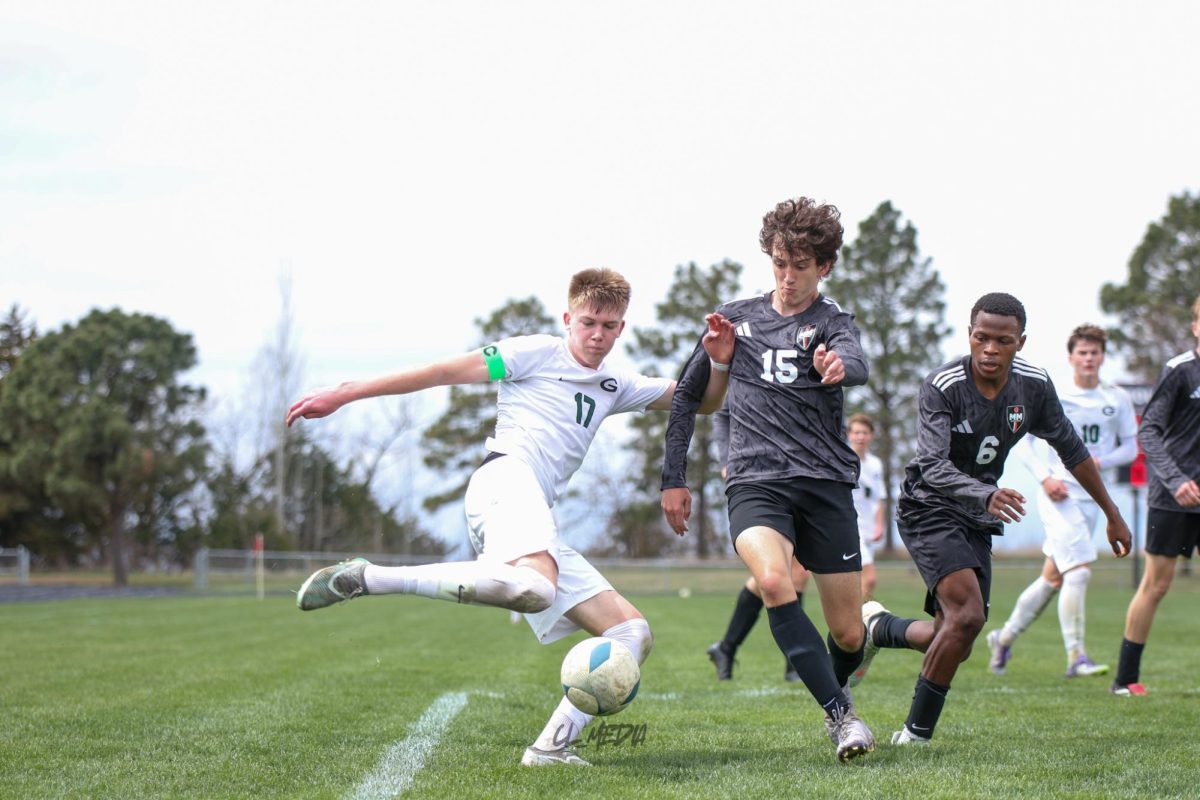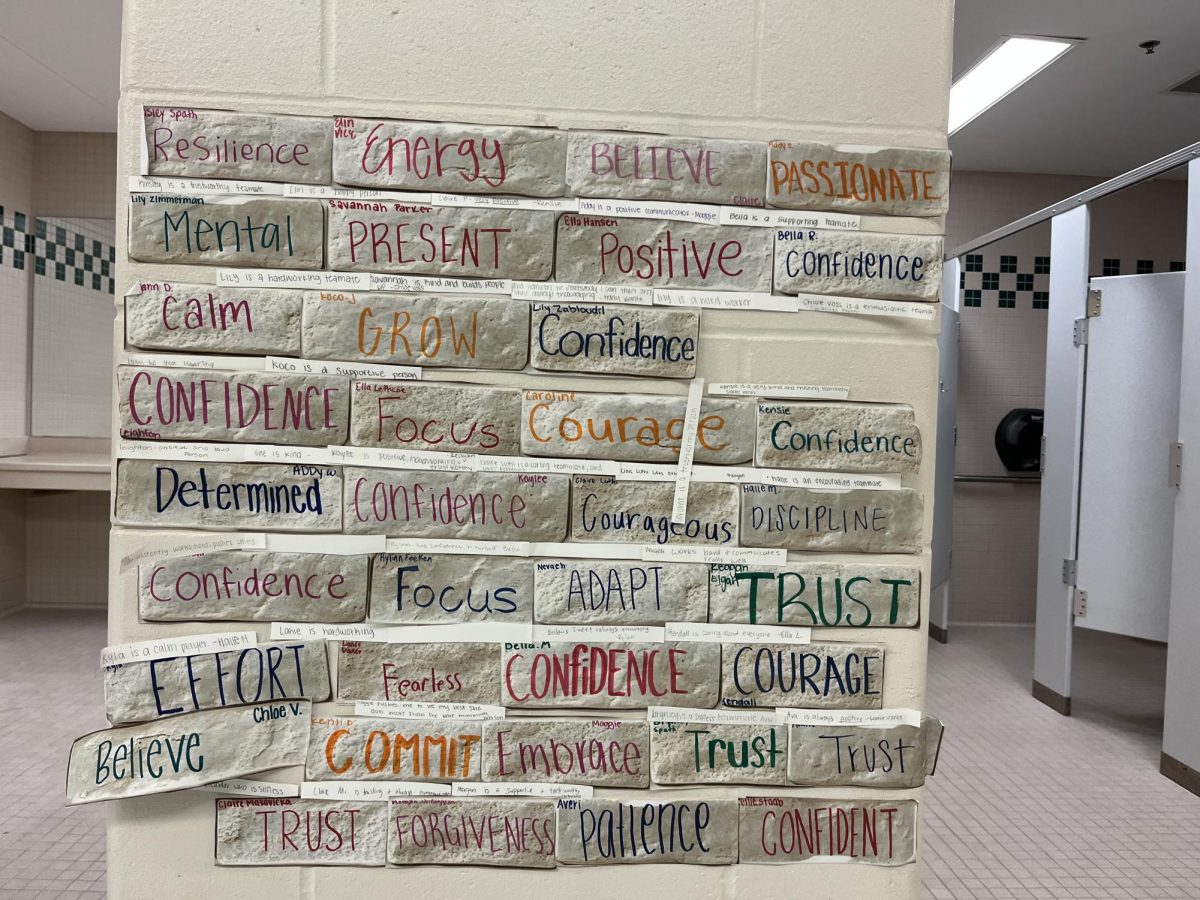
Many high school athletes train every day in season to get the best version of themself so they can be successful in their activity. Students invest so much time in training their muscles and technique, but one of the biggest aspects often gets forgotten: the brain.
According to mental health coach Angie Hauptman, a former mentor to Olympic volleyball champion Jordan Larson, 75% or more of the performance is mental.
“You can have all the physical talent in the world, but if your mental capacity doesn’t have the ability to be adaptable and adjust in situations and make adjustments during a performance or to have awareness, it won’t matter,” Hauptman said.
Mindset, especially in sports, helps the athlete to deal with nervousness, handling pressure as well as providing more confidence in themself in and outside of a sport. Also, mindset is important to become more consistent in an athlete’s performance and ability to work together as a team with others. Through the setting of goals and visualizing the point where an athlete wants to get, the motivation rises, and the student is more likely to achieve that goal.
Studies have shown that the higher the level a person plays at, the more important mindset becomes. Therefore, students who plan to play a sport in college need a stable mental health and the right mindset because it is even more important.
“I journal and read my bible before bed every day,” junior Haleigh Kobielush said. “I have to tell myself that if I make a mistake, I can’t get down on myself cause it will affect how I play.”
Kobielush, who plans to play soccer at a Division II university, is aware of mental skills, and is working on her mindset daily.
One of the most successful tennis players, a 24-time Grand Slam champion, Novak Djokovic, once said, “You have to train your mind like you train your body.”
The boys’ tennis coach at GHS, Jessica Zavadil-Manley, said she shares the same opinion as Djokovic, even if it is not as feasible for high schoolers as it is for elite athletes.
“The idea is the same for players at all levels, whether times are high school tennis kids or multi-sports athletes who are training in multiple areas during the year,” Zavadil-Menley said. “It benefits them because they can use the mental training they got in one sport and apply it to tennis as well. But, for those elite athletes, it is at a different level when they have those coaches that can dedicate their time completely to the mental side of that game.”
The Gretna Cross Country team discovered the importance of mental skills for performance, and Head Coach Bryce Brunswig started to journal once a week with his athletes.
<“Once a week, we do a journal where there is a chance for us to think and reflect on how training is going and maybe how other things in our life is going on and also thinking about how this sport is helping us to grow as a person,” Brunswig said.
The most central point of mental preparation is the mental imagery regulation, where the athlete visualizes a scenario of the movement or the competition in mind to process it and to be able to apply it in reality. The goal for the athlete is to reach a level of mental state to be able to achieve peak performance. Simple exercises, besides imagining the movement, are to draw it or to convert it into words on paper. Journaling, as the cross country team is doing it, is a good and easy solution. Australian high jump world champion Nicola Olyslagers, for example, is known for her journaling in between her jumps at championships.
The football team at GHS isn’t doing something specifically for their individual players, but coaches motivate players to do it on their own.
“We talk to the kids about visualizing the night before to put you in a good head space,” Head Coach Joe Dalton said.
Another skill is to reflect after practices and competitions, whether they were good or bad. Analyzing all aspects and talking with each other is the main point. The volleyball team is applying this technique by asking themselves, “What did you do well and why?’’ and ‘‘What can you improve and how?’’
Head Coach Wendy Loberg has extensive knowledge about mental training and invests active time for it with her athletes. Besides encouraging her players to provides positive self-talk or motivating them to give shout-outs to their teammates about good performances to help reinforce what they have done well, her team is also doing focus activities.
“We do deep breathing every day before practice,” Loberg said. “Deep breathing has shown to lower the heart rate and clear thoughts. The goal for student-athletes is for when they come in the gym, to leave all their baggage at the door so that their mind can be fully present about what they’re about to do.”
Additionally, a helpful thing for young athletes is to watch an idol playing and to observe. By observing and copying the movement, the brain learns the sequence of the movement and is more likely to apply it in their own game.
The mental aspect of sports is bigger than many people think. Even though most sports at GHS are already doing a good job at acknowledging mental health, they can still improve mental training by investing a little time in practice into the brain.
“In a marathon, the mental thought ‘I can’t go on anymore’ comes first — only then does the runner stop running, never the other way around,” said scientist Sina Wilms said (translated from german).